Nak Muay - Author
Words from the Coach
Words from the Coach
People come to Muay Thai for different reasons. Some people join the gym for the health benefits – and there are many. As a combat sport, Muay Thai is extremely demanding, requiring its practitioners to acquire and maintain the highest level of physical conditioning. They must be motivated enough to push their cardiovascular limits, build their strength, and acquire a set of skills and techniques that are unique to the sport. The physicality of Muay Thai, however, is just one aspect of an incredibly dynamic martial art.
For those of us that are passionate about Muay Thai, there is something much deeper and more meaningful carried out through the various techniques of this ancient practice. A certain dynamism and fluidity exists in the movement of the body’s limbs, a rhythm and cadence that evolves with each strike and combination. The pacing of the bout, the delivery of each technique, marks out the creation of something new and expressive – almost like brushstrokes on a canvas. Two fighters in a ring together create the intimacy and delicacy of a dance, yet with the force and brutality unique to Muay Thai. There is a fine beauty in that balance.
Creating within the medium of Muay Thai requires more than just diligence and physical strength. It demands a keen level of mental discipline and devotion. You cannot hide anything in this sport. Whatever you hide, you give power to, and before you know it, your deepest fears and shadows will usurp your greatest efforts. The way you respond to Muay Thai is the way you respond to life, and subsequently you must be willing to lay your innermost thoughts and feelings open to your instructor and teammates. Only then can you build the strength and willpower that it takes to overcome your demons and become a true warrior, a ‘Nak Muay’. Those who choose the path of a Nak Muay will quickly understand that this sport is about so much more than getting fit and training hard. It’s about shaping your character and transforming the way you respond to the world. It’s about refining those aspects of yourself that hold you back in the ring, and hold you back in life. It’s about taking your spirit to new unexplored potentials. It’s about surrendering to the art form, and allowing IT to create YOU.
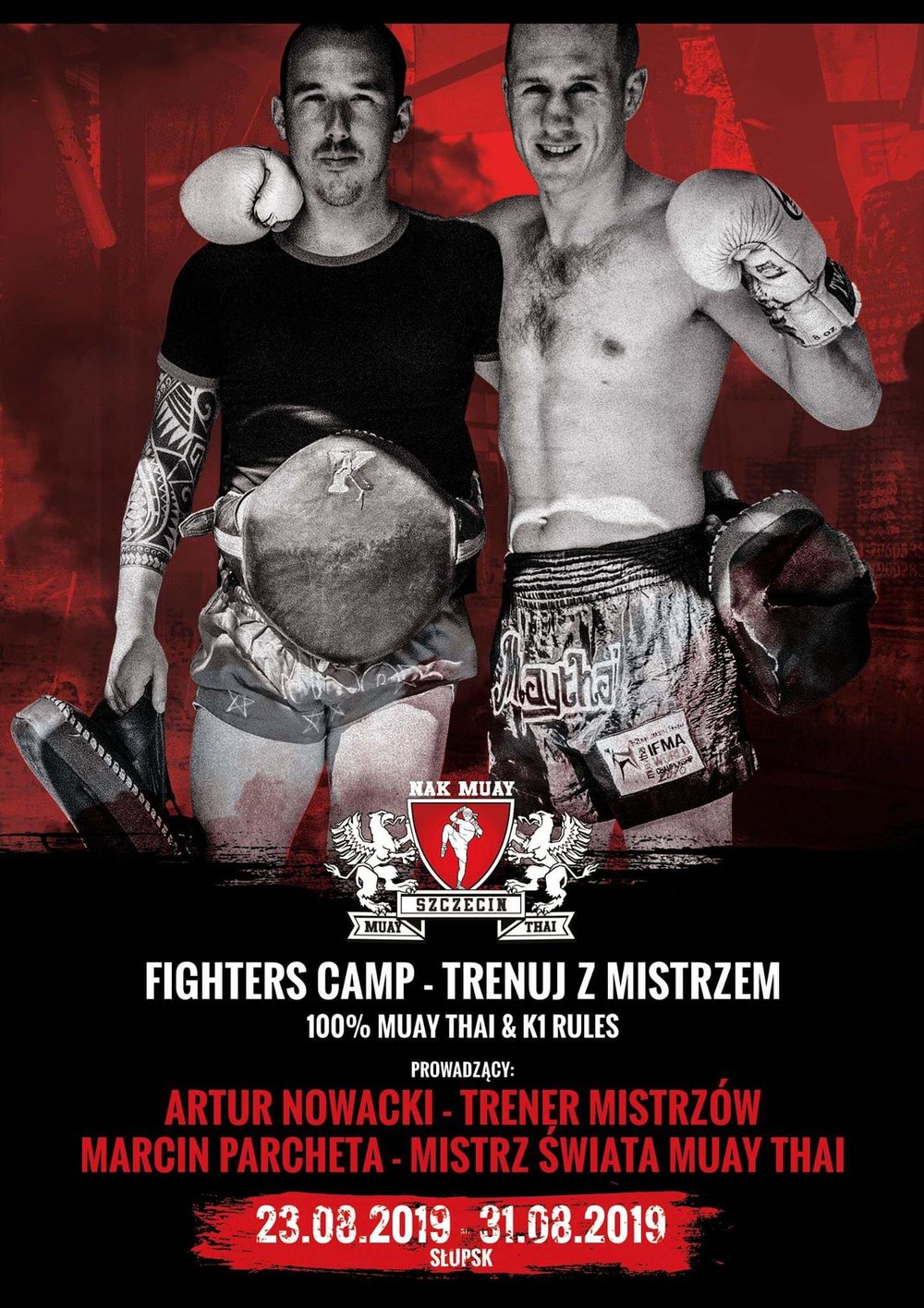
Congrats to Jess for outstanding performance on her World Title fight
Another trip to Germany - this time for the world title!

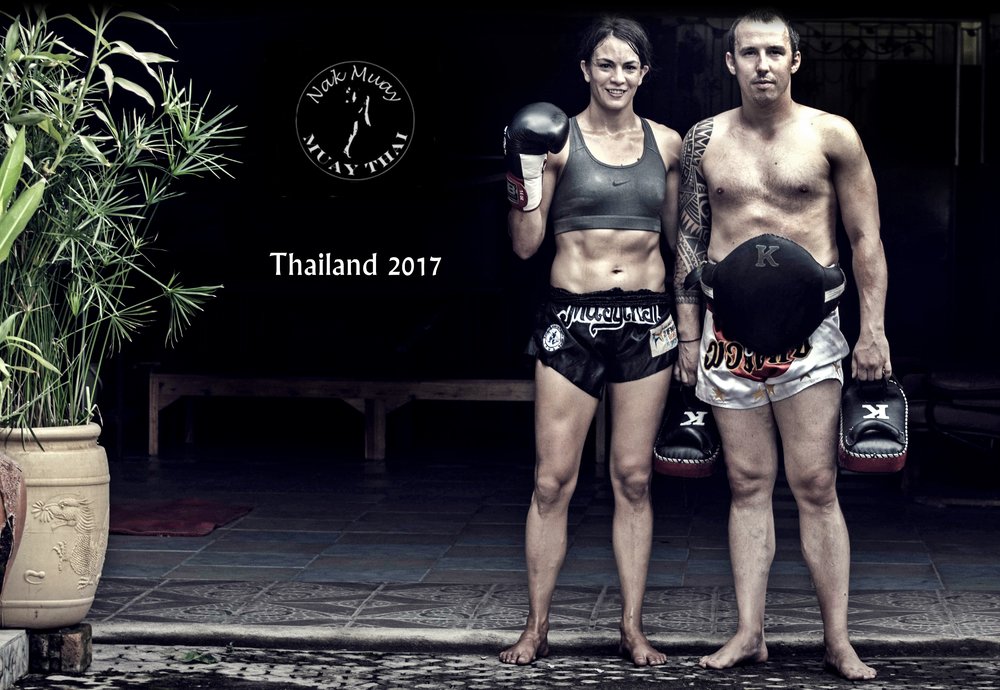
Our adventures in Thailand have begun
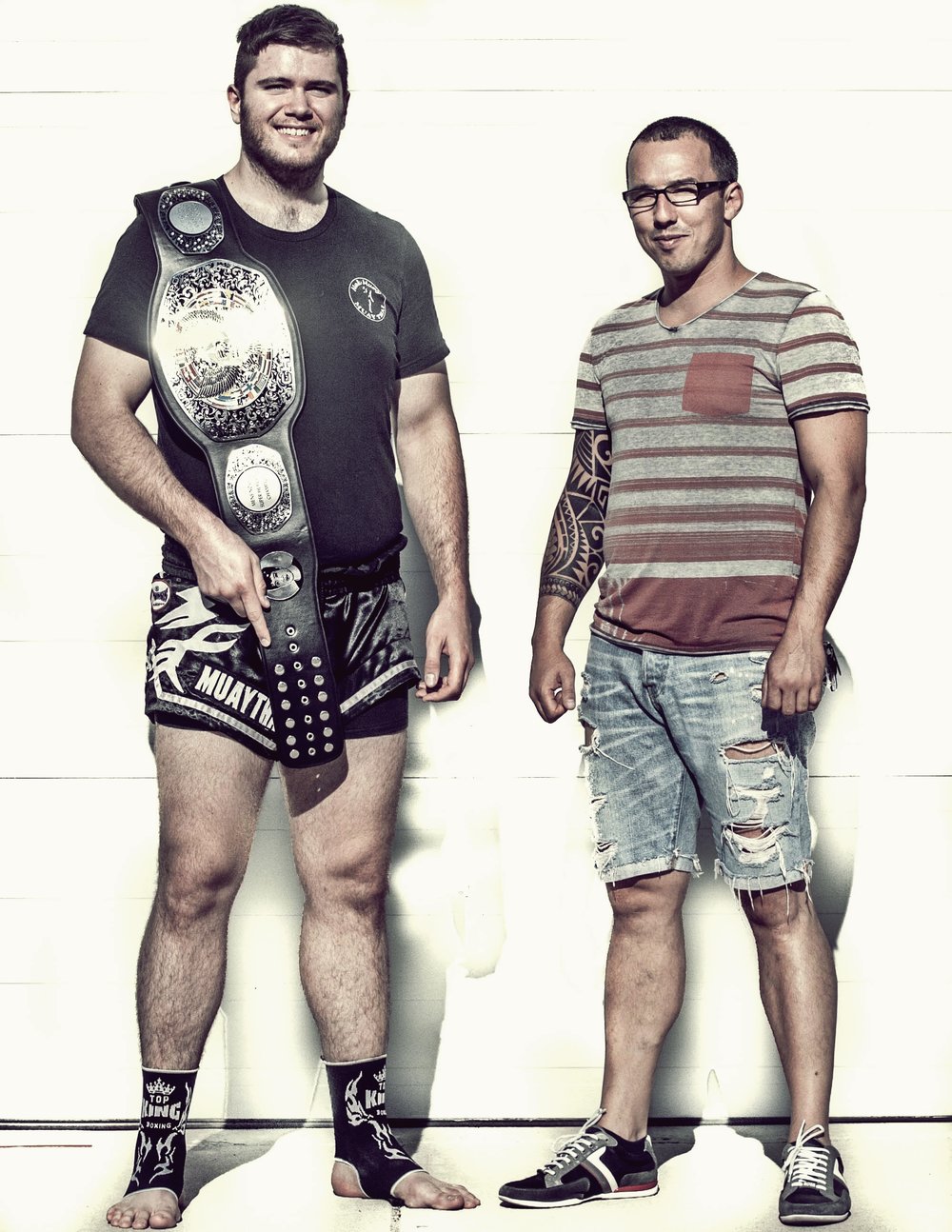
Yeti brings home TBA heavyweight title!
What is Muay Thai
What is Muay Thai?
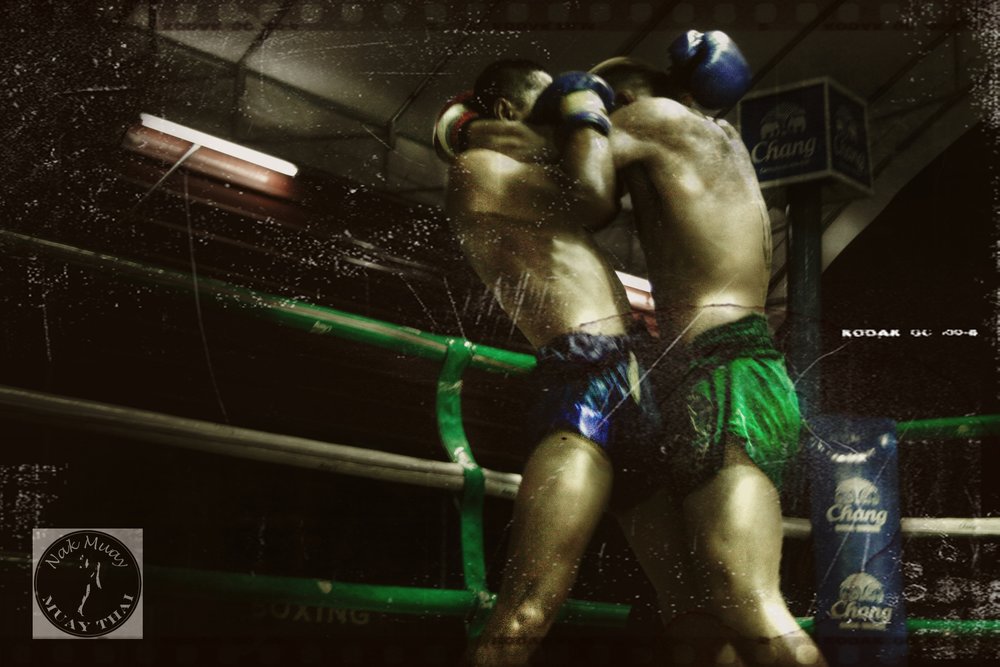
Commonly known as “the Science of Eight Limbs”, Muay Thai is a cultural martial art and the national sport of Thailand. It’s a form of close-combat that dates back hundreds of years, using eight points of contact to mimic weapons of war. Utilizing a variety of strikes – such as punches, kicks, elbows, and knees – each limb imitates specific artillery that was used during historical battles. The hands emulate the actions of a sword and dagger; the shins and forearms, armour; the elbows, heavy maces or hammers; the legs and knees, axes and staffs. The body operates as one unit, delivering efficient and crippling assaults on an opponent.
In the early 13th Century, the first Thai army was created in the northern city of Sukhothai, Siam being its capital. The recorded history shows that a need to defend the capital city was spawned by many wars being fought between neighboring tribes and kingdoms. The Siamese army was created to protect the government and its inhabitants within the city and surrounding villages. Soldiers were taught hand-to-hand combat and how to use weapons, as well as how to use the entire body as a weapon. Their training is what eventually evolved into Muay Thai and Krabi Krabong. Learning the military arts, or “Muay Thai”, became engrained in the culture of the early Siamese people. With the constant threat of war, training centers slowly began to appear throughout the kingdom. These were the first Muay Thai camps. Young men practiced the art form for various reasons: self-defense, exercise, and discipline.
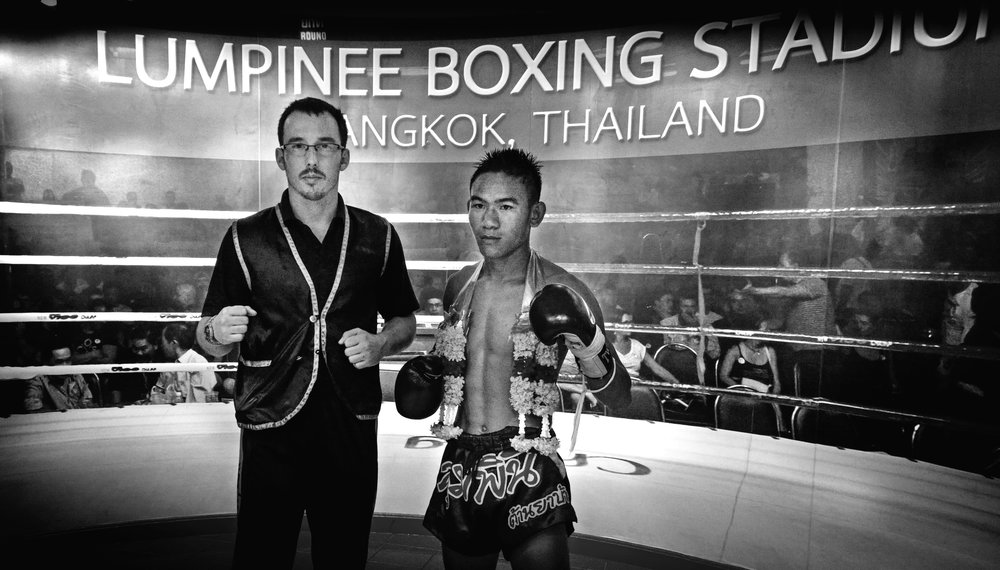
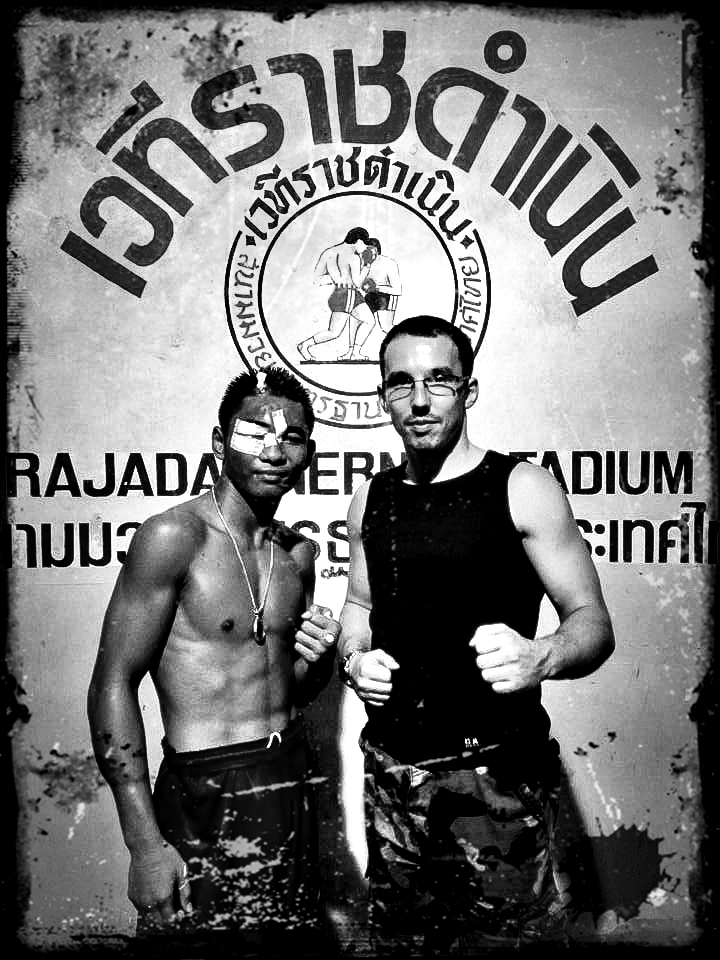
Muay Thai today is drastically different in both form and function than in eras past. It started changing after World War II, when foreign soldiers learned the practice while at war in Thailand. Fascinated by it, these foreigners asked Thai practitioners to teach them the essence of the sport. Subsequently, international interest flourished, and Muay Thai gained popularity in Western countries. As it migrated to different parts of the world, governing bodies began to form, establishing rules and regulations for the sport. Fight lengths began to be determined by duration and number of rounds, and most bouts started taking place within a ring. In Thailand, special Muay Thai stadiums (like Lumpinee and Rajadamnern) have been erected to accommodate the growing popularity of the sport in its home country. Global popularity is also increasing, as evidenced by Muay Thai’s recent acceptance as an Olympic sport. Despite the evolution of Muay Thai as a respectable martial art, the technique and essence of the sport have remained intact, with practitioners today still training for similar reasons to centuries passed: self-defense, exercise, and discipline.